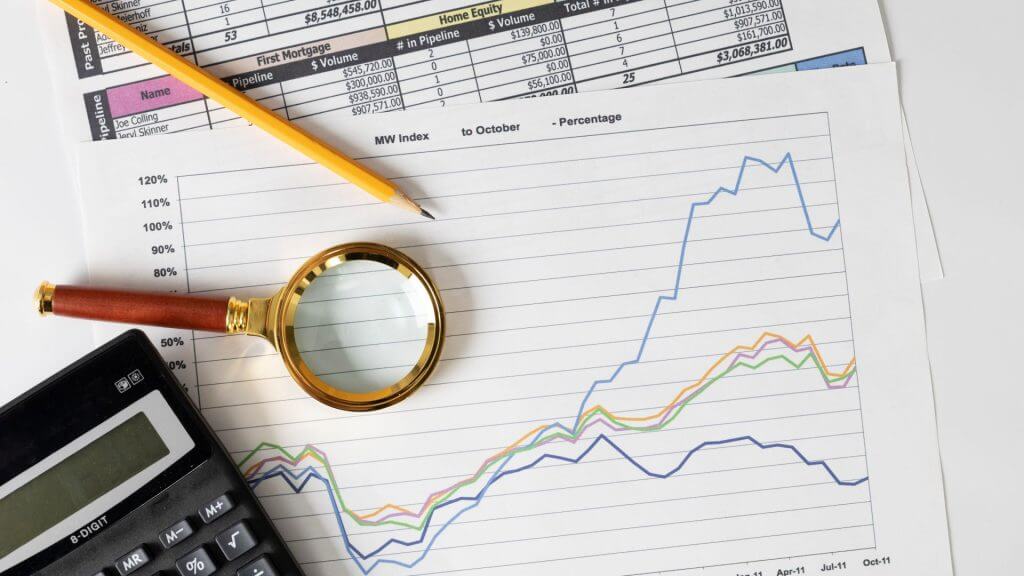

Indicators and activities are known as turnover coefficients, which are calculated based on the ratio of turnover and average condition. They indicate the speed of circulation of assets in the business process. In addition, if the turnover coefficient is known, then it is possible to calculate the average days of tying up funds, i.e. the average duration of turnover. Most often, the turnover ratio is calculated for total assets, current assets and receivables. Based on the receivables turnover ratio, it is possible to determine the average duration of receivables collection. All the mentioned indicators are determined on the basis of data from the balance sheet and profit and loss account.
Table 3: Activity indicators, i.e. their calculation method
| INDICATORS | NUMERATOR | DENOMINATOR |
| Turnover ratio of total assets | Total income | Total assets |
| Short-term asset turnover ratio | Total income | Current assets |
| Long-term asset turnover ratio | Total income | Fixed assets |
| Accounts receivable turnover ratio | Sales income | Receivables |
| Duration of claim collection | Number of days in a year (365) | Accounts receivable turnover ratio |
- Turnover ratio of total assets
The turnover ratio of total assets shows how many monetary units of income are generated by one monetary unit of assets. The indicator is extremely important because it shows how many times the company's total assets are turned over in one year. It could be said that this indicator shows the extent to which the company uses its assets to operate and generate income. It is desirable that the indicator values are as high as possible.
- Short-term asset turnover ratio
The turnover ratio of short-term assets shows how many monetary units of income are replaced by one monetary unit of short-term assets. It is desirable that this indicator be as high as possible because the goal of every company is to maximize profit, i.e. to sell its inventory, then to convert the claim acquired through the sale into an asset with the highest level of liquidity as soon as possible; money.
- Long-term asset turnover ratio
The turnover ratio of long-term assets shows how much the company uses long-term assets with the aim of generating income, and it is desirable to achieve the highest value of the indicator because it means that less money is needed to generate income tied up in fixed assets. Declining indicators can be an indicator of overinvestment in equipment or other fixed assets.
- Accounts receivable turnover ratio
The receivables turnover ratio shows the company's ability to collect its own receivables. It relates income from sales and receivables. It is desirable that this indicator be as low as possible, because the goal is to collect own claims as soon as possible.
- Duration of claim collection
The duration of receivables collection shows interest groups for financial statements how long, on average, the company needs to collect its receivables, i.e. to convert them into money. It is desirable that this amount is as small as possible. The more time a company needs to collect its own receivables, the less likely it will be realized.